Design Ideas to Aluminium Sliding Doors
How to Keep Your Sliding Doors in Top Condition: Tips and Tricks
Keeping up with sliding doors is important for both performance and appearance. Routine maintenance can avoid frequent problems and prolong their life. Basic steps like washing tracks and greasing rollers can make a significant difference. Despite this, many homeowners neglect these critical practices. Learning the right approaches and understanding when to hire a specialist can ensure sliding doors operate smoothly. Discover the important actions to enhance the performance and appearance of these important entryways.
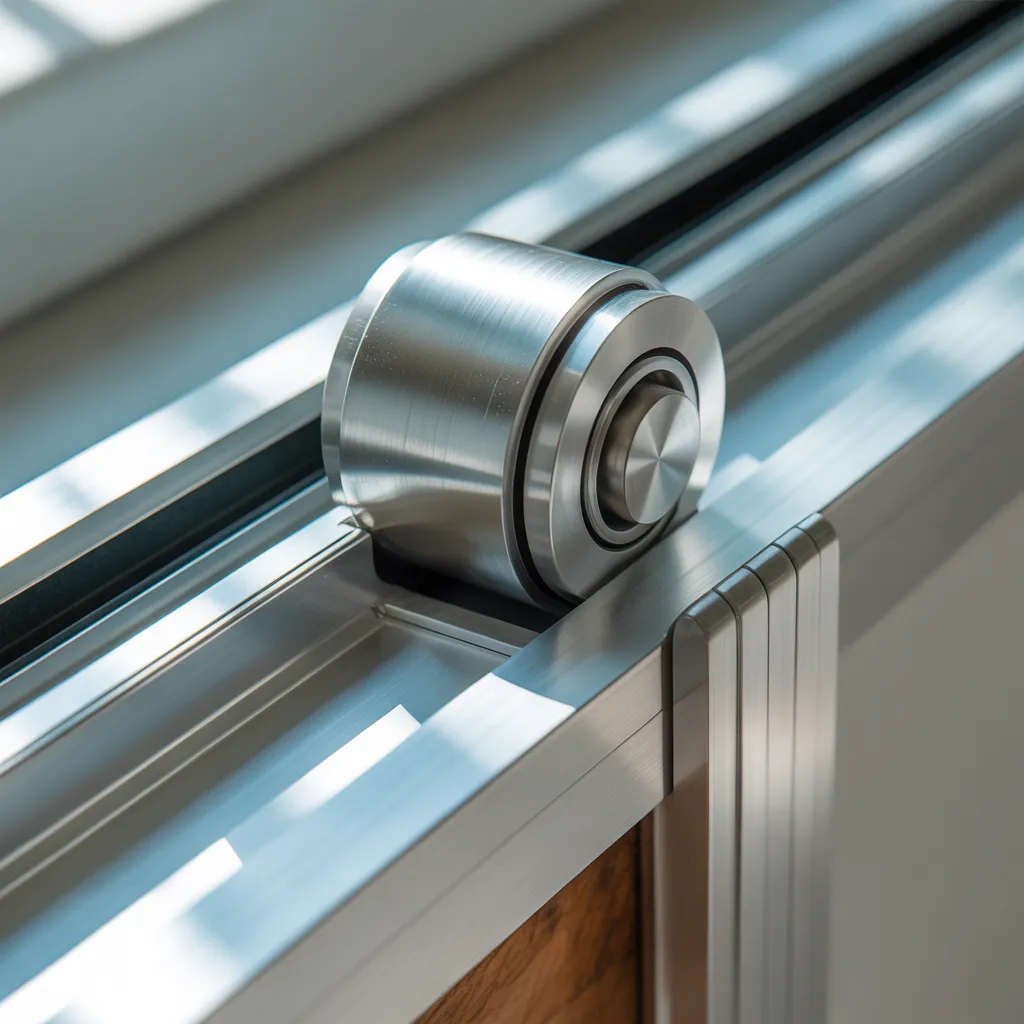
Why Proper Maintenance of Your Sliding Doors Is Essential
Caring for sliding doors is crucial for guaranteeing their long-term function and reliability. Routine upkeep keeps minor issues from escalating into major problems, which can be financially draining and tedious to address. Adequate maintenance enhances the doors' operation, providing smooth operation and preventing operational issues or misalignment.
Neglecting maintenance can lead to gradual degradation, compromising both the visual appeal and safety of the doors. Dirt, dust, and foreign particles can collect in the tracks, hindering movement and causing unnecessary strain on the hardware. Furthermore, routine inspections can detect underlying problems, such as deteriorating seals or rusting components, facilitating early intervention and necessary fixes.
In the end, keeping sliding doors well-maintained not only protects their appearance but also supports energy efficiency by guaranteeing a proper seal against the elements. Through consistent upkeep, homeowners can boost the overall worth and functionality of their sliding doors, ensuring they stay a trusted fixture within their living spaces.
Key Tools for Maintaining Sliding Doors
Several key tools can significantly ease the upkeep of sliding doors. A soft cloth or microfiber towel is the first must-have item for dusting and wiping surfaces without leaving scratches on the glass. Additionally, a vacuum cleaner equipped with a hose attachment can efficiently clear debris from the track and nearby areas. A small brush, such as an old toothbrush, helps dislodge stubborn dirt or grime that may accumulate in tight spots.
In addition, a spirit level guarantees that the door is correctly calibrated, eliminating mechanical difficulties. A lubrication product specifically designed for sliding doors is also necessary for maintaining effortless operation. To conclude, a collection of screwdrivers is often useful for slight corrections or maintenance. By having these tools on hand, homeowners can service their sliding doors with ease, improving both performance and durability.
Step-by-Step Cleaning Methods for Sliding Doors
Cleaning sliding doors requires particular materials and an organized method to ensure optimal outcomes. This guide details the fundamental cleaning tools, a detailed procedure for successful cleaning, and upkeep strategies to extend the life of the doors. Applying these methods will preserve both performance and aesthetics.
Essential Cleaning Supplies Needed
Maintaining a proper cleaning routine for sliding doors demands several key supplies that ensure the process is both efficient and complete. First, a soft microfiber cloth is vital for avoiding scratches while effectively capturing dust and grime. A soft cleanser or a combination of vinegar and water acts as an effective yet safe solution for cleaning. Additionally, a small vacuum or a handheld brush helps remove debris from the tracks, preventing buildup. To tackle more difficult stains, a non-abrasive sponge proves to be quite useful. Lastly, a slim, flexible tool like an old toothbrush is perfect for accessing tight spots and corners. Once these supplies are gathered, keeping sliding doors looking great and functioning properly becomes an easy and manageable endeavor.
A Step-by-Step Cleaning Guide
Having assembled the appropriate cleaning materials, the next step involves a methodical approach to keeping sliding doors clean. First, one should start by removing any loose dirt and debris from the tracks using a soft brush or vacuum. Next, a gentle cleaning solution combined with warm water can be applied to the glass and frame with a clean microfiber cloth, ensuring all surfaces are wiped down. For persistent stains, a soft glass cleaning solution may be used. Following the cleaning process, one must rinse all surfaces with clean water to eliminate any residue. To complete the process, drying the glass with a lint-free cloth will avoid streaking. Regularly repeating this process will ensure the cleanliness and functionality of the sliding doors.
Maintenance Advice for Lasting Durability
Keeping up sliding doors demands regular attention to protect their durability and optimal function. Routine cleaning is crucial; debris, dust, and particles can build up in the tracks, contributing to functional complications. A practical routine includes vacuuming the tracks and wiping them down with a wet cloth. Furthermore, applying lubrication to the rollers and tracks with silicone lubricant can reduce friction and facilitate better gliding. Evaluating the door seals for wear is vital, as compromised seals can cause air leakage. Besides, checking the alignment of the doors periodically helps identify misalignments early, avoiding larger complications. In conclusion, dealing with chips and scratches immediately can safeguard the door's appearance and enhance its lifespan. These practices contribute to the enduring functionality of sliding doors.
Diagnosing and Addressing Sliding Door Faults
Inspecting and fixing sliding door problems is vital for maintaining proper operation and safety. Frequent concerns encompass misalignment, sticking tracks, and worn-out rollers, which can often be addressed with standard tools. However, recognizing when a problem demands professional intervention is equally important to secure long-term effectiveness.
Prevalent Sliding Door Troubles
Sliding doors are prone to a range of problems that affect their performance, making it crucial to identify and resolve these concerns in a timely manner. Frequent problems include misalignment, which typically develops from wear and tear on the tracks or rollers. This type of misalignment can lead to the door jamming or not shutting as it should. A common issue is the buildup of debris within the track, which can obstruct smooth movement. Additionally, weather stripping may deteriorate over time, resulting in drafts and diminished energy efficiency. Oxidation or corrosion on metal parts can similarly impact functionality. Detecting these issues at an early stage enables prompt action, keeping the sliding door operating smoothly and safely, which in turn elevates the visual appeal and practicality of the space.
Instruments for Rapid Repairs
Identifying common sliding door problems is the first step toward successful repairs. Essential tools can significantly streamline the repair procedure. A screwdriver set is indispensable for securing or changing screws, while a utility knife can help clean and replace worn weather stripping. A level guarantees that the door is properly aligned, eliminating further issues. For particularly difficult problems, a hammer and chisel may be needed to modify or extract stuck tracks. Lubricants such as silicone spray are also critical for maintaining efficient operation. act now Keeping a basic toolkit on hand enables homeowners to address minor issues quickly, boosting the longevity and functionality of sliding doors. Regular evaluations, combined with these tools, can avoid more costly repairs down the line.
When to Call Professionals
A great number of homeowners encounter issues with their sliding doors that can be tough to fix on their own. When concerns such as recurring misalignment, difficulty in opening or closing, or strange sounds arise, it may be advisable to seek professional help. Experts have the necessary tools and experience to identify complex issues that may not be visible to the inexperienced observer, such as structural damage or deteriorated rollers. Moreover, if the sliding door has experienced considerable damage or the tracks are extensively rusted, professional involvement is essential to ensure proper function and safety. Ultimately, recognizing the boundaries of DIY repairs can benefit homeowners by saving valuable time and money, fostering enduring satisfaction with their sliding doors.
How Lubrication Ensures Smooth Sliding
Maintaining smooth operation of sliding doors copyrights on effective lubrication. Proper lubrication minimizes friction between the door and its track, ensuring effortless movement. As time passes, dirt and debris can collect, causing stiffness and risking potential damage. Consistently using an appropriate lubricant—like silicone spray or a light oil—assists in preserving proper functionality.
It is crucial to thoroughly clean the tracks before lubrication to remove any obstructions. A clear surface enables the lubricant to perform more efficiently, enhancing the door's glide. Additionally, focus should be directed toward the copyrights and rollers as these parts also need lubrication to operate smoothly.
Using too much lubricant can attract more dirt, so applying it sparingly is essential. For best results, a routine check and application every few months can increase the longevity of sliding doors, ensuring they remain a functional and aesthetically pleasing feature in any home.
Seasonal Guidelines for Optimal Sliding Door Operation
Seasonal changes can considerably impact the operation of sliding doors, making routine maintenance essential. In cold weather, homeowners should ensure that snow and ice do not accumulate around the door track, as this can hinder operation. Consistently removing the tracks of dirt and debris is essential, particularly in the spring when pollen and dust are common.
During summer, it is essential to look for any warping caused by elevated temperatures. Maintaining a consistent environment can mitigate this issue. Additionally, humidity levels can affect the door's alignment; employing a dehumidifier could resolve the issue.
During autumn, fallen leaves may block the track, demanding routine cleaning. Evaluating seals and weather stripping during seasonal shifts may prevent air drafts and moisture penetration. By applying these seasonal upkeep recommendations, homeowners can be certain their sliding doors maintain both functionality and visual appeal year-round.
When It's Time to Call a Professional for Repairs
Understanding the warning signs that a sliding door needs specialist intervention plays a vital role in protecting its operation and durability. Residents should watch carefully for problems including difficulty in sliding, misalignment, or excessive noise. When the door refuses to shut properly or shows gaps that affect security or energy efficiency, contacting a qualified expert is strongly recommended.
Additionally, apparent damage affecting the frame, tracks, or rollers can point to deeper underlying complications requiring expert repair. A door that consistently derails or slips off its track poses a safety risk, calling for immediate corrective action.
Furthermore, recurring issues that continue despite standard maintenance, such as lubrication or cleaning, indicate the necessity of professional assessment. Ignoring these signs can contribute to more significant damage and costly repairs. By addressing problems promptly with skilled assistance, residents can maximize the longevity of their sliding doors and confirm they perform efficiently and safely.

Frequently Asked Questions
How Often Should My Sliding Doors Be Cleaned?
Specialists advise cleaning sliding doors no less than once every three months. Nevertheless, frequency may increase according to surrounding environmental elements, like exposure to dust or pollen, prompting more regular maintenance to ensure optimal performance and aesthetics.
Can I Use Vinegar for Cleaning Sliding Doors?
Absolutely, vinegar works well for cleaning sliding doors. Its natural acidity effectively removes grime and stains. However, it's advisable to dilute vinegar with water to avoid potential damage to certain door materials.
What Kind of Lubricant Works Best for Sliding Doors?
Silicone-based lubricants work perfectly for sliding doors, as they reduce friction without attracting dirt. Graphite powder is another option, delivering a dry lubricant that protects against rust and corrosion, maintaining smooth functionality over time.
Are Sliding Doors an Energy-Efficient Option?
Sliding doors have the potential to be energy-efficient if properly insulated and fitted with dual or triple glazing. Their structural design limits airflow, minimizing heat loss, however performance largely relies on the caliber of installation and the materials selected.
Is It Possible to Install Sliding Doors on My Own?
Yes, one can carry out sliding door installation independently, given that they have the essential knowledge and tools. Even so, careful measurement, leveling, and adherence to manufacturer instructions are essential for guaranteeing a proper installation and optimal performance.